Why Watering the Soil Surface Can Mislead
Watering by surface appearance can waste effort or leave roots dry. Learn how to check root-zone soil and decide where water is actually needed.
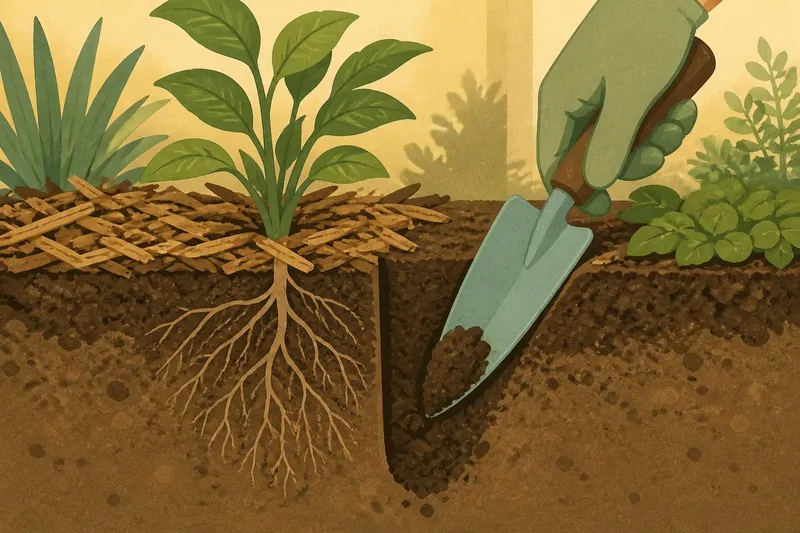
The most common watering mistake is treating the soil’s appearance as a report on the whole bed. A dusty surface can sit above damp soil, while a dark patch may conceal dry ground below; watering by sight alone can leave roots short of moisture or keep already-wet soil saturated.
To decide whether a garden bed needs water, check soil where the plant’s active roots are growing. In Western gardens, wind, strong sun, mulch, soil texture, and recent irrigation can make the surface change faster than the deeper root zone. A small hand trowel and a look beneath the top layer offer a better basis for action than color alone.
A dry surface does not tell you whether roots need water
Exposed soil loses moisture quickly to sun and moving air. Fine-textured soil may dry and form a pale crust while remaining moist underneath. Mulch can also keep upper soil shaded, so the surface gives an incomplete picture.
What goes wrong: A gardener sees dusty soil and waters again, even though roots still have access to moisture. Repeated irrigation can leave deeper soil too wet, especially where drainage is slow.
Why it happens: Surface appearance responds to exposure, texture, and cover. Roots draw moisture from soil below the exposed layer, and those parts of the bed change at different rates.
What to try: Move aside a small patch of mulch, then use a trowel to open a narrow check beside the plant, not against its stem. Examine soil below the crust. Texture and temperature by touch are rough clues, not dependable measurements: soil type, organic matter, shade, and recent watering all affect how soil feels. If the result is unclear, check another nearby spot or wait and inspect again rather than treating one sensation as a signal to water.
A wet-looking surface can hide dry root-zone soil
A brief shower, a leaky hose connection, or a quick pass with a sprinkler can darken topsoil without carrying water far enough down. The surface looks freshly watered, but deeper roots may remain in dry ground. Water that runs off compacted soil or flows through a narrow channel can create the same false reassurance.
What goes wrong: Watering stops as soon as the ground looks dark, and plants continue to show stress. Leaf droop or dull foliage can follow, but those signs are not specific to a lack of water, so check the soil before adding more.
Why it happens: Water may spread unevenly. Dense ground, a slope, or a thick layer of mulch can affect where water travels. A surface splash does not show whether moisture reached the roots.
What to try: After watering, check soil in more than one place, including near the outer part of the plant’s root area. Look for moisture where roots are likely to be active, rather than immediately beside the stem or directly under a drip emitter. If soil below remains dry, apply water more slowly and let it soak in before checking again.
Different parts of one bed may need different decisions
A single bed may contain sandy soil that drains quickly, heavier soil that stays damp, and areas shaded by plants or a fence. Water delivered evenly across the surface does not necessarily leave those areas equally moist. A check in one spot can give the wrong answer for the rest of the bed.
What goes wrong: A gardener checks near one plant, then waters the entire bed or leaves it all dry based on that result. Plants in another patch may face different soil and exposure.
Why it happens: Beds are rarely uniform. Raised edges, paths, tree roots, and changes in soil added during planting can alter how water enters and how long it stays.
What to try: Choose representative checking points: one in an exposed area, one beneath cover, and one where the soil or plantings differ. Compare soil at similar depths, but treat touch as a rough comparison rather than a universal dryness test. If one section appears drier below the surface while another remains moist, water only the drier area and check again after the water has had time to soak in.
Mulch and ground cover make surface checks less reliable
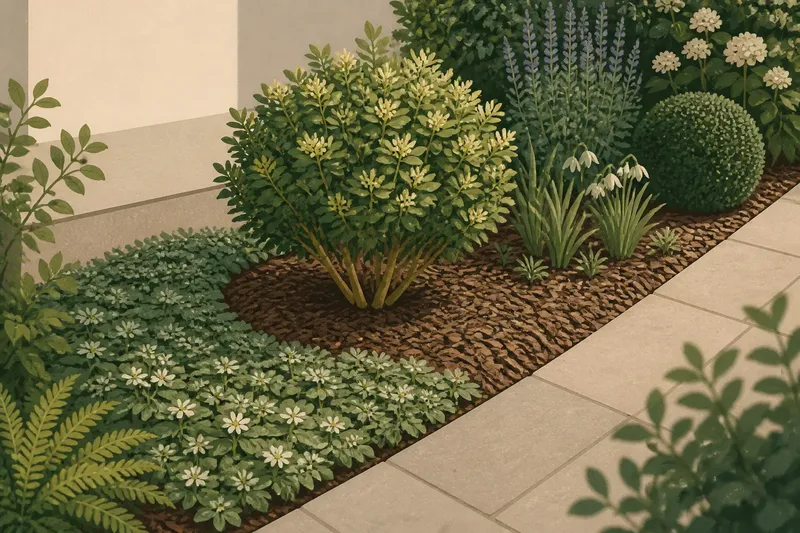
Bark, leaves, gravel, and living ground cover can hide the soil itself. Dry mulch does not necessarily mean the soil underneath is dry, and damp mulch does not prove that water reached the roots. Pulling material away across a whole bed can expose soil unnecessarily.
What goes wrong: A gardener judges moisture from the mulch or removes too much cover to inspect the ground. That can lead to extra watering or leave soil exposed to drying conditions.
Why it happens: Cover materials respond differently from soil. Bark and leaves may dry at the top while retaining moisture beneath; gravel can heat up and make nearby soil harder to judge by touch alone.
What to try: Open a small inspection spot, check the soil below the cover, then replace the material. Compare soil with soil rather than comparing a handful of bark with exposed earth. For planted ground cover, inspect a bare patch near the plants without pulling or damaging their roots.
Use a root-zone check to choose your next action
A useful check asks whether soil where roots draw water appears dry, moist, or saturated. Use a narrow hand trowel, garden dibber, or fingers where the soil is loose enough. Avoid probing directly against a stem or digging a large hole that disturbs the planting. If touch gives an uncertain result, use a second spot or check again later; do not infer the whole bed’s condition from one sample.
- Check below the surface layer; if soil there appears moist, wait, and if it appears dry in more than one nearby check, water that area gradually.
- Inspect an exposed patch and a shaded or covered patch; if their conditions differ, make separate watering decisions, and if they appear similar, continue checking only where plants or soil differ.
- Look for water running off instead of soaking in; if runoff is visible, pause and let water soak before applying more, and if it is not, check below the surface to confirm where it went.
- After watering, inspect soil in the intended root area; if it remains dry, apply water more slowly and recheck, and if it is moist, stop adding water.
- Look for water standing or soil that stays saturated; if either is present, stop watering and consider drainage or concentrated flow, and if neither is present, decide from the soil below the surface rather than the soil color.
- Note which parts of the bed seem to dry first; if the same patch differs from the rest, check that patch separately next time, and if no pattern is clear, compare representative areas again before changing the whole bed’s routine.
Say you have a newly planted shrub in a windy Western yard beneath bark mulch. For this invented example, suppose the gardener moves the bark aside in two spots and finds the first sample cool but crumbly and the second moist and cohesive. Because those tactile descriptions are ambiguous and the samples disagree, the gardener does not water the whole bed; they check a third nearby spot at a similar depth, find soil that appears dry there too, and decide to water only the shrub’s root area slowly. Afterward, they inspect beside the watered area: if the soil below is still dry, they apply water gradually again; if it is moist, they stop and replace the bark.
If soil appears moist at the root zone, wait rather than watering simply because the surface looks dry. If it appears dry in representative checks, water gradually and inspect whether moisture moves down. If it stays saturated or has an unusual sour smell, stop adding water and consider drainage, a blocked outlet, or a watering pattern that concentrates flow. Plant labels, irrigation-system instructions, and local water rules may affect the appropriate approach.
What should you check before watering?
How deep should I check the soil?
Check below the surface and near the depth where the plant’s active roots are likely to draw moisture. The right place varies with the plant and its stage of growth, so compare soil in the root area rather than using one fixed depth for every bed.
Can I judge moisture by soil color?
Color can offer a clue, but it varies with soil type, organic material, shade, and lighting. Inspect soil below the surface as well, and if color and touch leave the result unclear, check another nearby spot instead of treating either clue as definitive.
Should I water when leaves droop?
Not automatically. Drooping can result from dry soil, excess moisture, heat, or other stress; check root-zone soil before deciding whether to add water.
What if one side of the bed is dry and another is damp?
Water the area that appears dry below the surface rather than treating the whole bed alike. Keep checking separate patches if the bed has distinct soils, exposures, or irrigation coverage.
Let root-zone soil, not surface appearance, guide watering
Watering by surface appearance can mislead because exposed ground, mulch, and root-zone soil do not dry in sync. A small check with a trowel, repeated in the bed’s contrasting areas, helps distinguish a dry-looking surface from soil that may actually need water.
Use root-zone soil checks before deciding to water, then observe how the soil responds afterward. When a reading by touch is uncertain, compare another spot or wait and check again; that is more useful than forcing a confident answer from a single handful.